

Living in Colorado means dealing with a unique set of weather challenges that can really put your home’s exterior paint to the test. From intense sunshine at high altitudes to dramatic temperature swings and the effects of snow and ice, the elements here work harder to break down paint than in many other places. Understanding how long your paint should last and what factors influence its lifespan is key to keeping your home looking good and protected. This article explores how long exterior paint lasts in Colorado, what to watch out for, and how to get the most out of your paint job.
Key Takeaways
- Colorado’s climate, with its strong UV rays, high altitude, and frequent freeze-thaw cycles, significantly impacts how long exterior paint lasts, often shortening its lifespan compared to national averages.
- The type of surface material, such as wood, stucco, or fiber cement, plays a big role, with wood siding generally requiring more frequent repainting than stucco or fiber cement.
- Paint quality and proper application thickness are critical; higher-quality, thicker paints offer better protection and longevity against harsh weather conditions.
- Signs like fading, chalking, peeling, cracking, and the presence of mold or mildew indicate that a home needs a fresh coat of exterior paint.
- Regular maintenance, including washing, timely touch-ups, and proactive inspections, along with proper surface preparation and the use of weather-resistant paints, can extend the life of an exterior paint job.
Understanding Colorado’s Unique Climate Impact on Exterior Paint

Living in Colorado offers some amazing perks, like abundant sunshine and distinct seasons. However, this beautiful environment also presents some real challenges for the exterior paint on your home. The climate here is quite different from many other parts of the country, and these differences can significantly affect how long your paint job holds up.
The Role of Intense UV Exposure and High Altitude
One of the biggest culprits for paint wear in Colorado is the sun. Because we live at a higher altitude, the UV rays are much more intense. Think of it like this: the atmosphere is thinner up here, offering less protection from the sun’s damaging radiation. This means that paint, especially on surfaces that face south or west, gets bombarded by UV rays more aggressively than in lower elevations. Over time, these rays break down the paint’s binders and pigments, leading to fading, chalking (a powdery residue), and eventually, a duller appearance. It’s a constant battle against the sun, and choosing the right paint is key to fighting this battle. For homes with wood siding, this intense sun can also dry out the wood itself, making it more susceptible to damage if not properly protected with quality wood staining services.
How Freeze-Thaw Cycles Affect Paint Longevity
Colorado experiences significant temperature swings, not just between seasons but often within a single day. This is particularly hard on paint during the colder months. When moisture seeps into tiny cracks or pores in the paint or the surface underneath, it can freeze. As water freezes, it expands, creating pressure. When that ice thaws, the pressure is released, but the damage is done. This repeated cycle of freezing and thawing can weaken the paint’s bond to the surface, leading to cracks, peeling, and bubbling. It’s a relentless process that can compromise the integrity of your paint job, making it look worn out much faster than you might expect.
The Influence of Dry Air and Temperature Swings
Beyond the freeze-thaw cycles, Colorado’s generally dry air plays a role too. Dry conditions can accelerate the drying and aging process of paint, sometimes leading to premature cracking or chalking, especially if the paint isn’t formulated to handle such low humidity. Add to this the dramatic temperature fluctuations – a warm spring day followed by a sudden cold snap, or a hot summer afternoon cooling off rapidly in the evening – and you have a recipe for stress on your exterior coatings. This constant expansion and contraction of building materials puts a strain on the paint, testing its flexibility and adhesion. It’s why a paint job that might last a decade elsewhere could show signs of wear sooner here in Colorado Springs.
The combination of intense sun, high altitude, frequent freeze-thaw cycles, and significant temperature swings creates a uniquely demanding environment for exterior paint. These factors work together to accelerate wear and tear, meaning that standard paint lifespans often don’t apply here. Understanding these climate impacts is the first step toward choosing and maintaining a paint job that can withstand the local conditions.
Factors Determining How Long Exterior Paint Lasts
When you’re thinking about painting your home’s exterior, it’s not just about picking a pretty color. Several things really influence how long that paint job will hold up, especially here in Colorado. It’s a bit like choosing the right gear for a hike – you need something that can handle the terrain.
Surface Material Differences: Wood, Stucco, and More
Not all surfaces are created equal when it comes to holding paint. The material your home is made of plays a big part. For instance, wood siding, while beautiful, tends to be more porous and can expand and contract with moisture and temperature changes. This means paint on wood might only last about five to seven years before you start seeing some wear and tear. Stucco and fiber cement exteriors are a bit more resilient, often giving you seven to ten years of good performance. Metal and vinyl siding, if properly prepared and painted, can sometimes last even longer, potentially a decade or more. It really comes down to how the material interacts with the paint and the elements.
The Significance of Paint Quality and Application Thickness

Think of paint quality like the difference between a flimsy umbrella and a sturdy one. Higher-quality paints, often with thicker formulations, offer better protection against UV rays and temperature swings. Builder-grade paints, which are common on newer homes, might look okay initially but tend to break down faster, sometimes lasting only five to six years. Premium paints, on the other hand, are designed to be more durable and can extend the life of your paint job significantly. The thickness of the paint matters too; a thicker coat provides a stronger barrier. Getting the application right, whether it’s done by you or a professional, is key. Proper prep work, like scraping, caulking, and priming, is just as important as the paint itself for a long-lasting finish. It’s worth looking into high-quality exterior paints that are made to withstand harsh conditions.
How Color Choices Affect Paint Durability
It might surprise you, but the color you choose can actually impact how long your paint lasts. Darker colors tend to absorb more heat from the sun. In a sunny place like Colorado, this extra heat can cause the paint to break down more quickly over time, leading to fading and cracking. Lighter colors, especially those on south or west-facing walls that get a lot of sun, generally reflect more light and heat, helping them retain their color and integrity for longer. So, while that deep navy might look stunning, a lighter shade might offer a bit more longevity against our intense Colorado sun.
Signs Your Home Needs a Fresh Coat of Exterior Paint
Keeping your home looking sharp and protected from the elements is a big part of homeownership. While we all hope our exterior paint job will last forever, the reality is that it won’t. Colorado’s climate, with its intense sun, dramatic temperature swings, and occasional moisture, can really take a toll on your home’s finish. So, how do you know when it’s time for a refresh? Paying attention to a few key visual cues can help you catch issues before they become bigger, more expensive problems.
One of the first things homeowners often notice is a change in the paint’s color. Over time, the vibrant hues you once loved can start to look muted or washed out. This fading is primarily due to the relentless UV rays from the sun, which break down the paint’s pigments. You might also notice a chalky residue. If you gently rub a section of your siding with your hand and a powdery substance comes off, that’s a clear sign the paint is deteriorating and losing its protective qualities. This chalking means the binder in the paint is breaking down, leaving the pigment particles exposed and vulnerable.
These signs indicate a more serious breakdown in the paint’s adhesion to the surface. Cracking can start as small hairline fractures and eventually lead to larger splits. Peeling or flaking means the paint is no longer bonded to the siding, lifting away in sheets or chips. Bubbling often suggests moisture trapped beneath the paint layer, which can lead to rot if not addressed. Addressing the underlying moisture issues is just as important as repainting when you see bubbling. These issues can be caused by a variety of factors, including improper surface preparation, moisture intrusion from leaks, or the natural expansion and contraction of building materials due to temperature changes. If you’re seeing any of these, it’s a strong signal that your home needs attention soon.
Beyond the paint itself, look for signs of biological growth or water damage. Black streaks or patches, especially in shaded or damp areas like the north side of your home or around window frames, often indicate mold or mildew. While sometimes just an aesthetic issue, persistent mold can degrade surfaces over time. Also, keep an eye out for any soft spots in wood siding, swelling, or areas where the paint seems to be pulling away significantly, which could point to water getting behind the paint. These are indicators that the paint’s protective barrier has failed, allowing moisture to penetrate and potentially cause structural damage. Regular inspections can help catch these problems early, preventing more extensive repairs down the line. For homeowners in the Denver metro area, our team at Imhoff Fine Residential Painting can evaluate these concerns through our exterior house painting services, identify the root causes, and provide the right solutions to restore and protect your home.
The exterior paint on your home is more than just a color choice; it’s a critical layer of defense against the elements. Ignoring the signs that it’s time for a repaint can lead to more significant and costly repairs to your home’s structure.
Maximizing the Lifespan of Your Exterior Paint Job
Taking steps to make your exterior paint last in Colorado’s wild climate isn’t just about picking any paint and putting it on the wall. There’s a mix of good prep, quality products, and the right technique—all working together so you don’t find yourself repainting every couple of years. Here’s how people in Colorado can really stretch the value out of their next paint job.
The Importance of Proper Surface Preparation

Good prep isn’t anyone’s favorite step, but it’s the step that matters most. Skipping proper surface prep is a sure way to cut years off your paint’s life. Here’s what thorough prep looks like:
- Clean all surfaces to remove dirt, mildew, and loose paint—power washing helps, but it needs to be gentle so you don’t damage siding!
- Fix any cracks or gaps in siding or trim using a paintable, flexible caulk.
- Sand rough spots and scrape away peeling paint so the new layers bond well.
- Prime bare or patched areas for an even topcoat and better weather protection.
Investing a few extra hours in prep saves you from unexpected peeling and early touch-ups down the road.
Choosing High-Quality, Weather-Resistant Paints
Selecting the right exterior paint is one of the most important steps in ensuring your home stands up to Colorado’s demanding climate. Selecting the right exterior paint is one of the most important steps in ensuring your home stands up to Colorado’s demanding climate. At Imhoff Fine Residential Painting, we recommend using weather-resistant products that are designed to handle intense sun, low humidity, and rapid temperature changes. Here is a quick comparison to help you understand how different paint types typically perform in Colorado:
| Paint Type | Typical Lifespan (Colorado) |
|---|---|
| Basic Latex | 5-6 years |
| 100% Acrylic Latex | 8-10 years |
| Premium Elastomeric | 10+ years |
When choosing paint, look for products that offer strong UV resistance and the flexibility needed to expand and contract with Colorado’s seasonal shifts. Investing in higher quality materials pays off over time, helping your home maintain its appearance and protecting the exterior surfaces for longer periods. Our team can guide you toward the best paint options for your specific siding type and maintenance goals, especially when planning your residential exterior painting project.
The Benefits of Professional Application Techniques
The way paint is applied matters almost as much as the paint itself. Our painters at Imhoff follow proven techniques to ensure every surface is protected and every coat performs as it should.
- Even, consistent layers—too thick and it peels, too thin and it fades fast
- Back-brushing and back-rolling to work paint into every crack and surface
- Double-checking corners, trim, and weather-facing sides for missed spots
Plus, experienced painters can spot early problems such as wood rot, failed caulking, or siding damage before they turn into costly repairs. Our team has the training to catch these issues early and recommend the right long-term solutions, often supported by our light carpentry repair services.
Don’t wait for bubbling or peeling to show up before thinking about longevity—a few extra steps right now mean more years between repainting, and fewer headaches down the line.
Essential Maintenance for Long-Lasting Exterior Paint
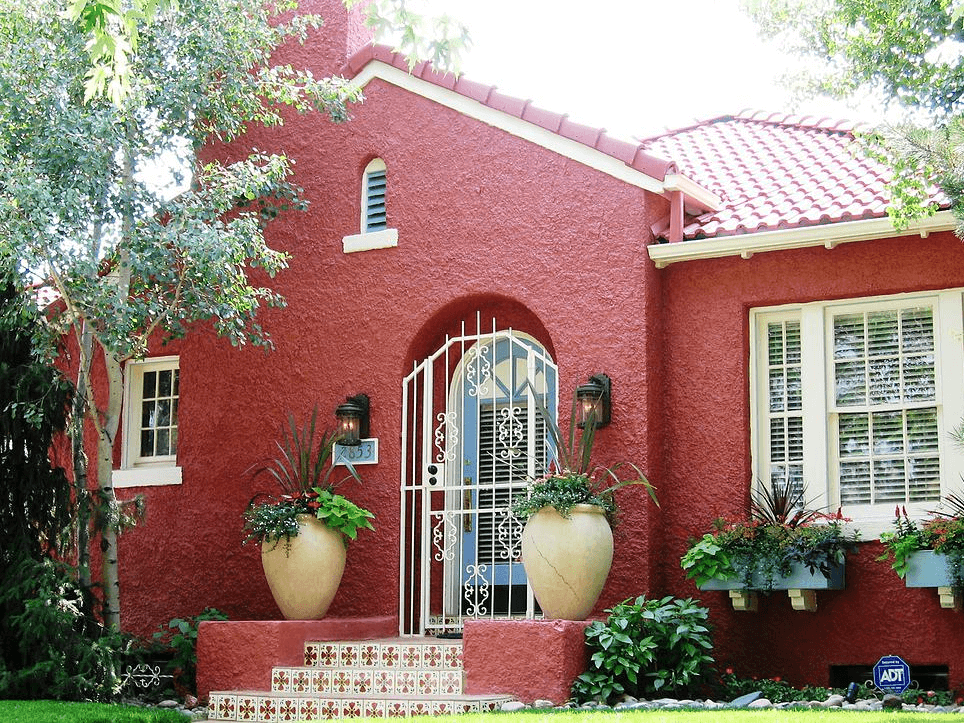
Keeping your home’s exterior paint looking its best and performing its protective duties in Colorado’s climate requires a bit of regular attention. Think of it like routine check-ups for your house; they help catch small issues before they become big, expensive problems. Consistent care can significantly extend the life of your paint job, saving you time and money in the long run.
Regular Washing to Remove Debris and Grime
Over time, your home’s exterior collects dust, pollen, cobwebs, and even mildew, especially in shaded areas. Washing your house a couple of times a year can make a world of difference. A simple solution of mild soap and water, applied with a soft brush or sponge, usually does the trick. For tougher spots, a gentle pressure washer can be effective, but it’s important to use the right pressure and distance to avoid damaging the paint or siding. This cleaning process not only makes your home look better but also removes abrasive particles that can wear down the paint finish.
The Value of Timely Touch-Ups and Sealant Checks
Even with the best paint and application, certain areas of your home might show wear and tear sooner than others. High-traffic spots, areas exposed to intense sun, or places where water tends to collect might need a little extra care. Regularly inspecting for small chips, cracks, or peeling paint and addressing them promptly with touch-up paint can prevent moisture from getting underneath and causing more significant damage. Checking and maintaining caulking around windows and doors is also key, as this seals out water and drafts. A little effort here can prevent major headaches later on.
Proactive Inspections for Early Problem Detection
Making it a habit to walk around your home’s exterior at least once or twice a year, perhaps in the spring and fall, can help you spot potential issues early. Look for any signs of fading, chalking (a powdery residue when you rub the surface), cracking, or bubbling. Pay attention to any discoloration that might indicate mold or mildew growth. Catching these problems when they are small means they are usually easier and less costly to fix. For instance, noticing a small patch of peeling paint is a simple fix, but letting it go could lead to wood rot or siding damage that requires much more extensive repairs. If you are unsure about what to look for or how serious an issue might be, our team can provide a professional assessment, identifying potential concerns and recommending the right solutions for your home’s exterior. Colorado’s climate can be tough on paint, and having our experienced painters check things over can give you peace of mind and help protect your home for years to come.
Realistic Paint Lifespans for Colorado Homes
When it comes to keeping your Colorado home looking its best, understanding how long exterior paint typically lasts is key. While national averages suggest repainting every 7-10 years, the Centennial State’s unique climate often means a shorter lifespan for your paint job. The intense sun at high altitudes, dramatic temperature swings, and freeze-thaw cycles all put extra stress on exterior finishes. Therefore, it’s wise to expect your paint to need attention more frequently here.
Expected Durability for Wood Siding

Wood siding is beautiful, but it’s also the most susceptible to Colorado’s weather. Because wood is porous, it absorbs moisture and is directly impacted by UV rays and temperature changes. You can generally expect a good quality paint job on wood siding to last between 4 to 7 years. South-facing walls, which get more direct sun, might even need attention sooner. Regular washing and prompt touch-ups can help extend this lifespan, but it’s still one of the more high-maintenance exterior materials.
Longevity for Stucco and Fiber Cement Exteriors
Stucco and fiber cement siding tend to be more durable and hold paint better than wood. With proper preparation and high-quality paint, these surfaces can often last between 7 to 10 years before needing a repaint. Stucco, in particular, is known for its longevity. However, even these robust materials aren’t immune to Colorado’s climate. Keep an eye out for signs of wear, especially in areas prone to collecting moisture or receiving intense sun.
Performance of Painted Metal and Vinyl Siding
Metal and vinyl siding, when properly prepared and painted, can offer the longest lifespan for your exterior finish, often exceeding 10 years. These materials are less porous than wood and generally resist moisture better. However, the paint itself can still be affected by UV exposure, leading to fading over time. Lighter colors tend to hold up better against the sun’s harsh rays. While these surfaces might last longer, it’s still important to perform regular inspections to catch any potential issues early.
The lifespan of your exterior paint isn’t just about the calendar; it’s about the condition of the paint and the surface underneath. Colorado’s climate accelerates wear, so regular inspections are more important than sticking to a rigid schedule. Addressing small issues promptly can prevent larger, more costly repairs down the line and keep your home protected.
Here’s a general idea of what to expect:
- Wood Siding: 4-7 years
- Stucco: 7-10 years
- Fiber Cement: 7-10 years
- Painted Metal/Vinyl: 8-10+ years
These ranges are estimates, since factors like paint quality, application technique, and your home’s specific microclimate all play a role. Working with a professional painting team that understands Colorado’s weather patterns and local materials adds another layer of confidence, ensuring your exterior paint lasts as long as possible while keeping your home looking its best.
Wrapping Up: Keeping Your Colorado Home Looking Great
So, how long can you expect your exterior paint to last here in Colorado? While national averages might suggest one thing, our unique climate—with its intense sun, temperature swings, and occasional harsh weather—often means a shorter lifespan. For most homes, especially those with wood siding, repainting every 5 to 7 years is a good rule of thumb, though stucco and fiber cement might stretch a bit longer. The key takeaway is that regular check-ups are more important than sticking to a strict calendar. Keep an eye out for fading, peeling, or chalking, and remember that proper preparation and using quality paint from the start make a big difference. Taking care of your home’s exterior isn’t just about looks; it’s about protecting your investment for years to come.
Frequently Asked Questions
How often does exterior paint typically need to be redone in Colorado?
In Colorado, exterior paint jobs usually need refreshing every 5 to 7 years. This is because the state’s climate, with its intense sun, big temperature changes, and dry air, can wear down paint faster than in other places. Homes with wood siding might need painting sooner, around every 4 to 7 years, especially if they face south or west.
What makes Colorado’s weather so hard on exterior paint?
Several things in Colorado’s weather make it tough on paint. The high altitude means stronger UV rays from the sun, which can fade and break down paint. The frequent freeze-thaw cycles, where water seeps into tiny cracks, freezes, expands, and damages the paint, are also a big problem. Plus, the dry air can cause paint to crack and become chalky more quickly.
Does the type of siding affect how long paint lasts?
Yes, the material of your siding makes a difference. Wood siding is more likely to need repainting every 5 to 7 years because it’s sensitive to moisture and the sun. Stucco and fiber cement siding are more durable and can often last 7 to 10 years between paint jobs. Painted metal or vinyl siding can sometimes last even longer, up to 10 years or more.
What are the signs that it’s time to repaint a house exterior?
You’ll know it’s time to repaint when you see visible signs of wear. These include the paint looking faded or dull, or leaving a chalky powder when you touch it. You might also see paint peeling or cracking off the surface, or notice mold and mildew growth, especially in shady spots. Exposed siding or failing caulk are also clear indicators.
Can proper preparation and paint quality extend the life of exterior paint?
Absolutely. Using high-quality, weather-resistant paint is key, as it offers better protection against the elements. Equally important is proper surface preparation, which includes cleaning, scraping old paint, caulking cracks, and priming. These steps ensure the new paint adheres well and lasts much longer, often adding several years to its lifespan.
How does paint color affect its durability in Colorado?
The color of your exterior paint can impact how long it lasts. Darker colors tend to absorb more heat from the sun. This extra heat can cause the paint to break down faster over time, leading to quicker fading and wear. Lighter colors generally absorb less heat, stay cooler, and often retain their color for a longer period.