
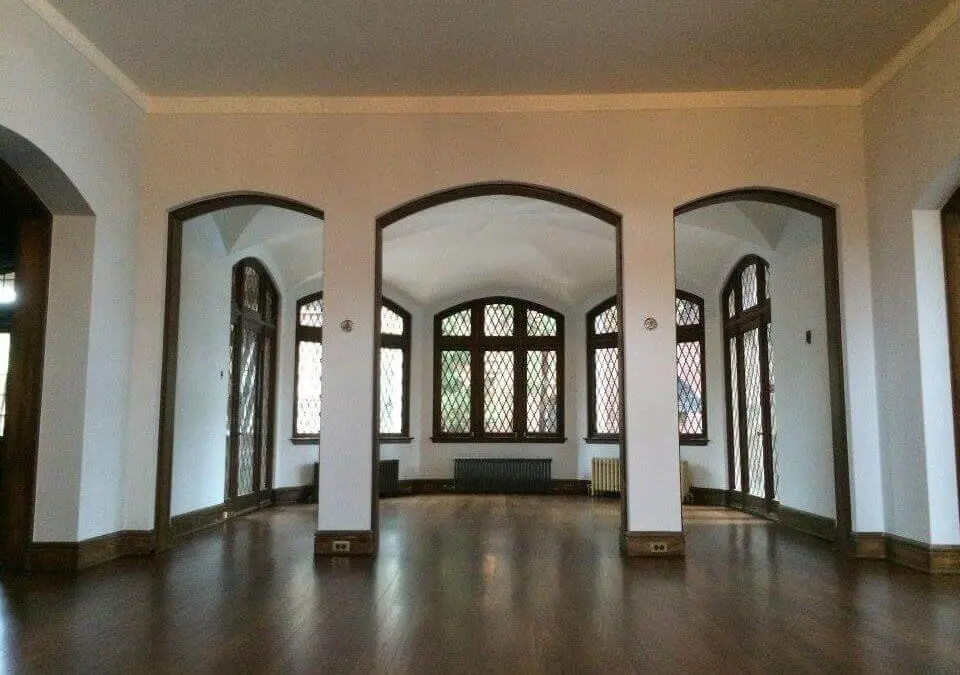
Choosing a painter for a historic home in Denver requires careful consideration. These older properties often have unique needs, from preserving original details to meeting specific neighborhood rules. Finding a historic home painter in Denver who understands these complexities is key to a successful and beautiful outcome for your home.
Key Takeaways
- Historic homes need painters with specific knowledge of older materials and building techniques to maintain their character.
- Look for painters in Denver with a proven track record of working on similar historic properties, often shown in their portfolios.
- Confirm that painters are properly licensed, insured, and aware of any lead-safe practices required for older homes.
- Expect a detailed proposal outlining all steps, materials, and costs, and prioritize painters who communicate openly throughout the project.
- A painter experienced with historic homes will focus on thorough preparation and use quality materials for a long-lasting, beautiful finish.
Understanding the Unique Needs of Historic Homes
Painting a historic home in Denver isn’t quite like painting a newer house. These places have a story, and their architecture often reflects that with special details and materials. It’s important to remember that these homes might have specific requirements that need careful attention.
Preserving Architectural Character
Historic homes often boast intricate details like ornate trim, unique window designs, and detailed woodwork. The goal when painting is usually to highlight these features, not cover them up. This means a painter needs to be skilled in working with these delicate elements, ensuring they are prepped and painted correctly to maintain their original charm. It’s about respecting the craftsmanship that went into building the home originally. Sometimes, this involves using specific techniques to bring out the best in the existing architecture, rather than just applying a new coat of paint.
Navigating Special Regulations and HOAs
Denver has many historic neighborhoods, and some come with their own set of rules. Your Homeowners Association (HOA) or a local historic commission might have guidelines on what colors you can use or even what types of paint are acceptable. It’s wise to check these regulations early on to avoid any surprises down the road. A good painter will be familiar with these local rules or willing to work with you to ensure compliance. Understanding these guidelines helps keep your project running smoothly and respects the history of the area.
The Importance of Specialized Skills
Working on older homes often requires more than just a brush and roller. The materials used in historic homes can be different, and they might be more fragile. A painter experienced with historic properties will know how to handle these materials, whether it’s old plaster, specific types of wood, or unique siding. They understand that preparation may take longer, involving careful cleaning, minor repairs, and specialized primers. Finding a painter with this kind of background is key to a successful project that honors the home’s past.
Finding the Right Historic Home Painter in Denver

When it comes to painting a historic home in Denver, you’re not just looking for someone with a brush and some paint. You need a specialist. The key is to look for painters who understand the unique character and needs of older homes.
Leveraging Local Directories and Networks
Sometimes, the best way to find a skilled painter is to ask around. Your neighbors, local historical societies, or even community forums can be great places to start. Word-of-mouth recommendations often highlight painters who have worked on historic homes throughout Denver. You might also find recommendations from local designers or builders familiar with restoration projects.
Evaluating Experience and Portfolios
Once you have a few names, it’s time to check out their work. A painter with strong experience in the Denver area will likely have handled many of the challenges that come with historic properties. Many painters will have a portfolio that showcases completed projects, allowing you to see their style and the quality of their work.
Understanding Credentials and Insurance
It’s important to make sure any painter you’re considering is properly licensed and insured. If your home was built before 1978, ask whether they follow lead-safe practices. A painter who is upfront about their credentials and process is often a sign of a professional operation.
Here’s a quick checklist to consider:
- Licensing and Insurance: Confirm they have current and valid credentials.
- Lead-Safe Certification: Essential for homes built before 1978.
- Portfolio Review: Look for examples of similar historic projects.
- References: Ask for and check references from past clients.
Choosing a painter is a big decision, especially for a historic home. Taking the time to research and ask the right questions helps ensure your home’s beauty is preserved.
Key Qualities of an Expert Historic Home Painter
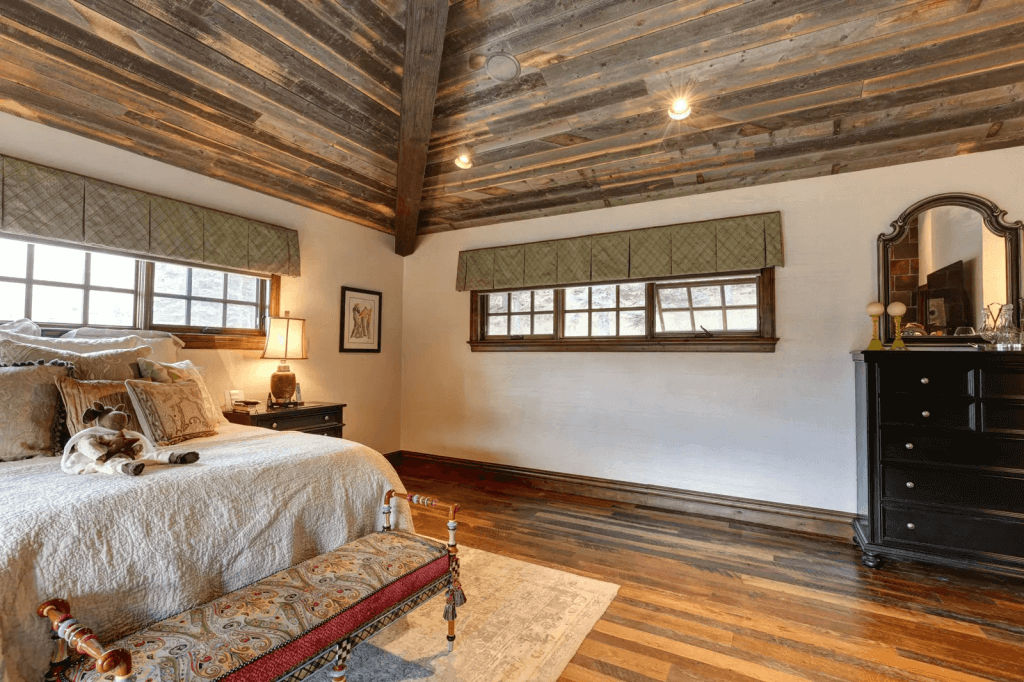
When it comes to painting a historic home in Denver, it’s not just about slapping on a new coat of paint. You need someone who really gets these older places. They’re different, you know? They have character, and sometimes, they’re a bit fragile. Finding a painter who understands this is super important for keeping your home looking its best and staying true to its history.
Knowledge of Historic Materials and Techniques
Historic homes often use materials and construction methods that aren’t common anymore. A good painter will know the difference between old plaster and modern drywall, or how to work with original wood trim without damaging it. They’ll understand which types of paint work best on older surfaces while maintaining the home’s original charm. Companies like Imhoff Painting Company bring this level of specialized knowledge when working on historic home painting projects.
Attention to Detail and Meticulous Preparation
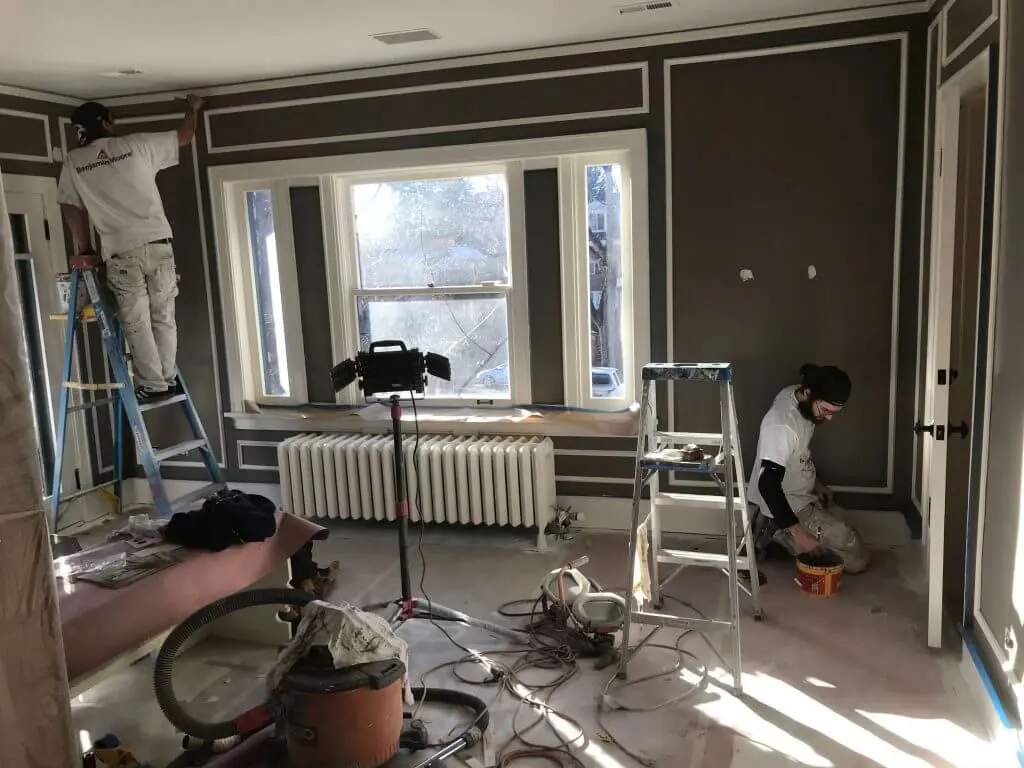
This is where the real work happens, and it’s often the most overlooked part. Historic homes can have all sorts of nooks, crannies, and intricate details – think fancy trim, built-in cabinets, or unique window frames. A painter who pays close attention to detail will spend a lot of time prepping these areas. This means cleaning thoroughly, repairing any small cracks or imperfections, and carefully masking off areas to protect them. Proper preparation is the foundation for a paint job that lasts. Without it, even the best paint can start to peel or chip prematurely, especially on older surfaces. It’s this meticulous approach that separates a good painter from a great one, especially on a historic property.
Commitment to Quality and Longevity
An expert painter for a historic home isn’t just thinking about the immediate result; they’re thinking about how the paint job will hold up over time. They’ll use high-quality paints and materials that are suited for historic structures and Denver’s climate. They’ll also stand behind their work. This means they’re not cutting corners to save time or money. They want the finished product to look beautiful for years to come, preserving the home’s value and character. You want a painter who treats your historic house like the treasure it is. They should be able to talk about the longevity of their finishes and why they choose certain products for older homes. It’s about investing in a paint job that respects the home’s history and ensures its future beauty.
The Painting Process for Historic Properties
Painting a historic home in Denver isn’t quite like painting a new build. It’s a process that requires a bit more thought and care, especially when it comes to getting ready for the paint itself. Think of it as a gentle restoration rather than a quick refresh.
Extended Preparation for Lasting Results
This is where a lot of the magic happens, and honestly, it can take longer than you might expect. Before any paint touches the walls, a good painter will spend a significant amount of time preparing the surfaces. This might involve carefully cleaning away old grime, gently scraping away loose paint, and then meticulously filling any cracks or imperfections. For older homes, this prep work is absolutely key to making sure the new paint job looks great and, more importantly, lasts for years to come. It’s about respecting the home’s age and structure.
Professional Color Consultation Services
Choosing the right colors for a historic home can be a challenge. You want something that respects the era of the house but also feels right for you. Many professional painters offer color consultation services. They can help you explore historical color palettes or guide you through selecting modern shades that complement your home’s architecture. This is especially helpful if your neighborhood has specific guidelines or an HOA that needs to approve color choices. Getting this right can make a huge difference in how your home looks and feels.
High-Quality Materials for Durability
When it comes to historic homes, skimping on materials just isn’t an option. The right paint and primer are essential for protecting the home’s surfaces and ensuring the color stays vibrant. Professionals will know which types of paint are best suited for older materials, like wood siding or plaster walls, and which will hold up best against Denver’s weather. For homes with natural wood elements, professional wood staining helps protect surfaces while preserving the longevity and character of historic properties. Investing in quality paints means you’re investing in long-term durability and appearance. It’s a detail that truly pays off over time.
Ensuring a Smooth and Transparent Project
When you’re entrusting someone with the care of your historic Denver home, you want to feel confident that the project will run smoothly and that you’ll be kept in the loop. This means the painting company you choose should be upfront about everything, from the initial quote to the final brushstroke. It’s not just about the paint job itself, but the entire experience.
The Value of a Detailed Proposal
A good painting company will provide a proposal that’s more than just a price. It should clearly lay out what work will be done, what materials will be used (down to the brand and type of paint), how many coats are planned, and a realistic timeline. This level of detail shows they’ve thought through the project and are committed to transparency. It helps prevent surprises down the road and makes sure everyone is on the same page about the scope of work. For example, understanding Denver interior painting costs can be made clearer with a detailed breakdown.
Open Communication Throughout the Project
Communication is key, plain and simple. You should expect your painter to be responsive to your calls and emails. They should be able to explain the process, potential challenges, and timelines in a way that makes sense to you. Regular updates, especially if there are any changes or unexpected issues, are also a sign of a professional outfit. A company that communicates well, like those focused on a dependable painting process, makes the whole experience less stressful.
Respect for Your Home and Property
Beyond the paint, how a crew treats your home matters. This includes keeping the work area tidy, protecting your landscaping, and being mindful of noise and disruption. A painter who respects your property demonstrates a higher level of professionalism. They understand that they are guests in your home, and their goal is to leave it looking better, not just on the walls, but in every aspect of their presence there.
- Clear communication channels: Knowing who to contact and how quickly you’ll get a response.
- Regular progress updates: Being informed about milestones and any potential delays.
- Site cleanliness: Maintaining a tidy workspace and respecting your living areas.
- Protection of existing features: Careful masking and covering of surfaces not being painted.
A painting project, especially on a historic home, involves more than just applying color. It’s about a partnership built on trust, clear expectations, and mutual respect for the property and the homeowner’s peace of mind. This partnership is built through consistent, honest communication and a commitment to treating your home with the care it deserves.
Choosing a Painter with Proven Expertise
Finding a painter who truly understands historic homes in Denver is key. It’s not just about applying paint; it’s about respecting the past and ensuring the future. You want someone who has a track record of successfully working with older properties.
Reviewing Past Historic Projects
When you’re looking at potential painters, ask to see examples of their previous work on historic homes. A painter’s portfolio is like a visual resume. Look for clear photos that show the quality of their work, especially on details like trim, window frames, and siding. Do the projects look well-maintained and true to the home’s original style? Seeing their past work helps you gauge their skill level and whether they have experience with the specific challenges older homes present.
Seeking Recommendations from Local Experts
Don’t underestimate the power of local knowledge. Talk to architectural historians, preservation societies, or even trusted contractors who specialize in historic renovations. They often know which painters have a good reputation for handling delicate historic projects with care. Word-of-mouth from other professionals in the field can be a strong indicator of reliability and skill.
Confirming Lead-Safe Practices When Necessary
Many Denver homes built before 1978 contain lead-based paint. If your home falls into this category, it’s absolutely vital that your painter is certified and follows lead-safe work practices. This protects both their crew and your household from potential health hazards. A painter who is upfront about their lead-safe certifications and protocols is a sign of a professional and responsible operation. They should be able to explain their procedures for containment, cleanup, and disposal. This isn’t just a formality; it’s a critical safety measure for older homes.
Wrapping Up Your Historic Home Painting Project
Choosing the right painter for a historic home in Denver is a big decision, but it doesn’t have to be overwhelming. By focusing on experience with older homes, checking credentials, and looking for clear communication and detailed proposals, homeowners can find a professional who respects their property’s unique character. Companies like Imhoff Painting Company, which has been serving Denver since 2005, understand the specific needs of historic structures. Remember, the goal is to protect and beautify your investment for years to come. Taking the time to find a skilled and trustworthy painter will make all the difference in the final result.
Frequently Asked Questions
Why are historic homes different to paint than modern homes?
Historic homes often have special details like fancy trim, unique windows, and old plaster walls. These features need extra care and special skills to paint correctly. Because of their age and materials, they might also need more work done to the surfaces before painting can even start, like fixing cracks or cleaning carefully.
How can I find a painter who knows how to work with old houses in Denver?
You can start by asking friends, family, or neighbors for recommendations. Local online directories and community groups are also good places to look. It’s important to check if painters have experience with historic homes by looking at their past projects, often shown in a portfolio.
What kind of experience should a historic home painter have?
A painter experienced with historic homes understands old building materials and techniques. They pay close attention to detail, especially during the preparation stage, which is crucial for a long-lasting paint job. They also know how to work with delicate surfaces and intricate architectural details without causing damage.
Are there rules about paint colors for historic homes in Denver?
Yes, sometimes there are. Some neighborhoods have Homeowners Associations (HOAs) or historic committees that must approve paint colors and even types of paint. It’s wise to check with your local authorities or HOA early in the process to understand any rules you need to follow.
Why is the preparation work for painting a historic home so important?
Preparation is key for any painting job, but it’s even more critical for historic homes. Old surfaces might have damage, peeling paint, or uneven textures. Doing thorough cleaning, repairs, and priming ensures the new paint sticks well, looks smooth, and lasts much longer, protecting the home’s historic character.
What should I expect in a painter’s proposal for a historic home project?
A good proposal from a painter will clearly list all the work to be done, like specific repairs and preparation steps. It will also detail the types of paint and materials they plan to use, the estimated cost, and the project timeline. This detailed plan helps ensure everyone is on the same page and that the project will be done correctly and transparently.