How Much Does Cabinet Painting Cost in Denver?
Key Takeaways
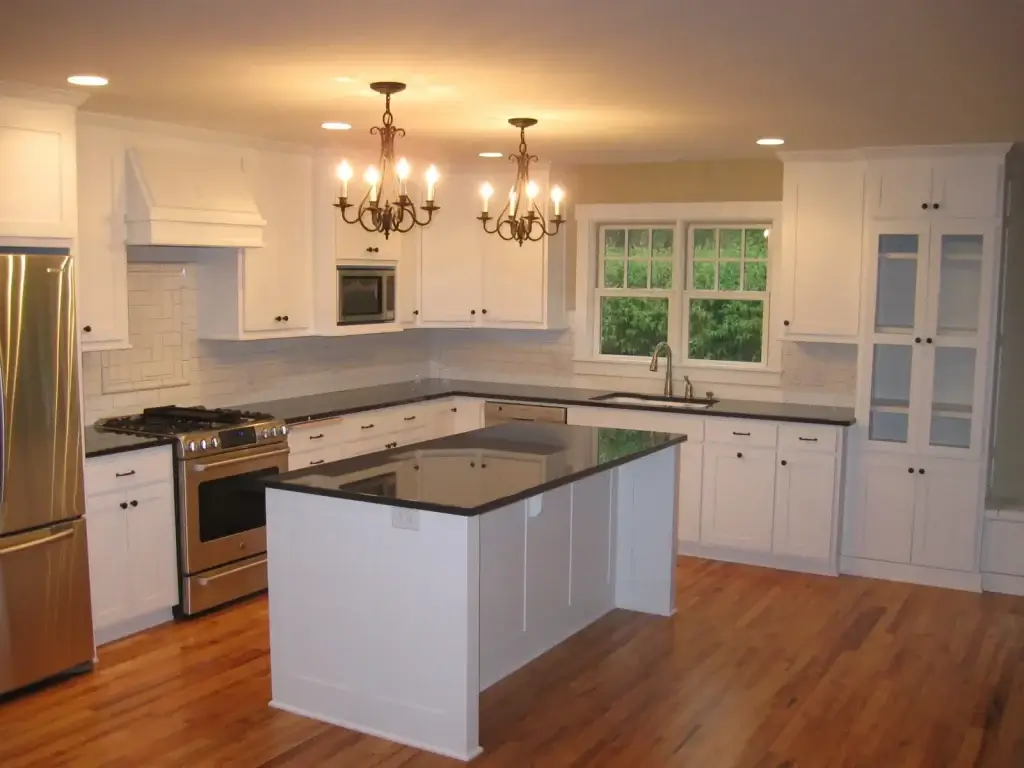
How much does cabinet painting cost in Denver? As a starting point, published national cost guides put professional painting of an average kitchen at roughly $2,000–$6,500. Large kitchens may cost $5,000–$10,000 or more. Your final price depends on the cabinetry, preparation, and finish you choose.
- Door and drawer count matters, but so do wood grain, condition, details, and the existing finish.
- Sprayed cabinet finishes generally cost more than brush-and-roll work because of setup and finishing labor.
- Keeping sound cabinet boxes is often considerably less disruptive than removing and replacing the entire kitchen.
- A written, project-specific estimate is the only reliable way to know what your cabinets will cost to refinish.
You’ve lived with those cabinets for years. Maybe the layout is exactly right, the drawers still work beautifully, and the woodwork was built to last. But the orange-toned stain, scratches around the pulls, or dated color? That’s another matter.
It’s a familiar situation in established Denver homes. Homeowners want a kitchen that feels fresh without tearing out good cabinetry just to get a different finish. That’s where professional cabinet painting can make sense. The harder question is what it should cost.
At Imhoff Fine Residential Painting, we approach cabinet refinishing as finish work, not just another wall-painting job. Here’s how to budget for a project, what drives the price, and what to ask before comparing estimates.
What Does Professional Cabinet Painting Cost in Denver?
For early budgeting, HomeGuide’s cabinet painting cost guide places a typical kitchen at approximately $2,000–$6,500, with larger kitchens running higher. Those are broad national estimates, not a Denver-specific price list or a quotation from Imhoff. Custom cabinetry, extensive prep, and specialty finishes can take a project beyond the published averages.
| Kitchen size | General planning range | What can change the price |
|---|---|---|
| Small or galley kitchen | $1,000–$3,500 | Few doors and drawers; simpler profiles; limited repairs |
| Average-size kitchen | $2,000–$6,500 | More door fronts, an island, detailed profiles, additional preparation |
| Large kitchen | $5,000–$10,000+ | Extensive cabinetry, tall units, specialty finishes, significant repairs |
Pricing note: These are broad national reference ranges published by HomeGuide.
A better estimate starts with the actual doors, drawers and cabinet boxes. The finish on a simple painted maple door won’t require the same work as heavily grained oak, a damaged laminate surface, or intricate raised panels. And in a home where every detail has been carefully selected, the appearance of the final coat matters.
Give Your Cabinets a Fine-Finish Transformation
Imhoff professionally prepares and refinishes cabinets to create a durable, polished appearance without the expense and disruption of full replacement.
Six Things That Affect Kitchen Cabinet Painting Cost
1. The number of doors, drawers and exposed cabinet surfaces
Many painters count doors and drawer fronts when building a proposal. That’s sensible, since each piece takes time to remove, label, prepare, finish and reinstall. Still, two kitchens with the same number of doors can be very different projects. One may have a long island, glass-front frames, tall pantry cabinets, or end panels that need just as much attention as the doors.
2. The wood and existing coating
Some cabinets are quite straightforward to repaint. Others make you earn it. Oak, for instance, has an open grain that can remain visible after painting. If you want that grain filled for a flatter, more modern appearance, it’s additional work. Glossy existing finishes, older varnishes, grease residue, and previously painted surfaces that are peeling also call for different preparation.
Solid wood, veneer, MDF, and laminate don’t all behave alike. Some surfaces may not be good candidates for a standard repaint at all. A careful evaluation is worth doing before anyone promises a particular finish.
3. Cleaning, repairs and surface preparation
Cabinets get handled constantly. Cooking oils settle near the stove, hands wear down edges, and doors bump into one another. That build-up has to be addressed before a new coating can adhere properly.
Preparation may include removing hardware, cleaning and degreasing, repairing small dents, addressing failing coatings, sanding or deglossing as appropriate, and selecting a compatible primer. Sherwin-Williams’ cabinet painting guide also emphasizes cleaning and testing primer adhesion before proceeding. Skipping the groundwork is one way an appealing low bid can turn into an expensive do-over.
4. Spray finish versus brush-and-roll finish
At Imhoff, these are genuine choices—not every homeowner needs the same finish or has the same budget.
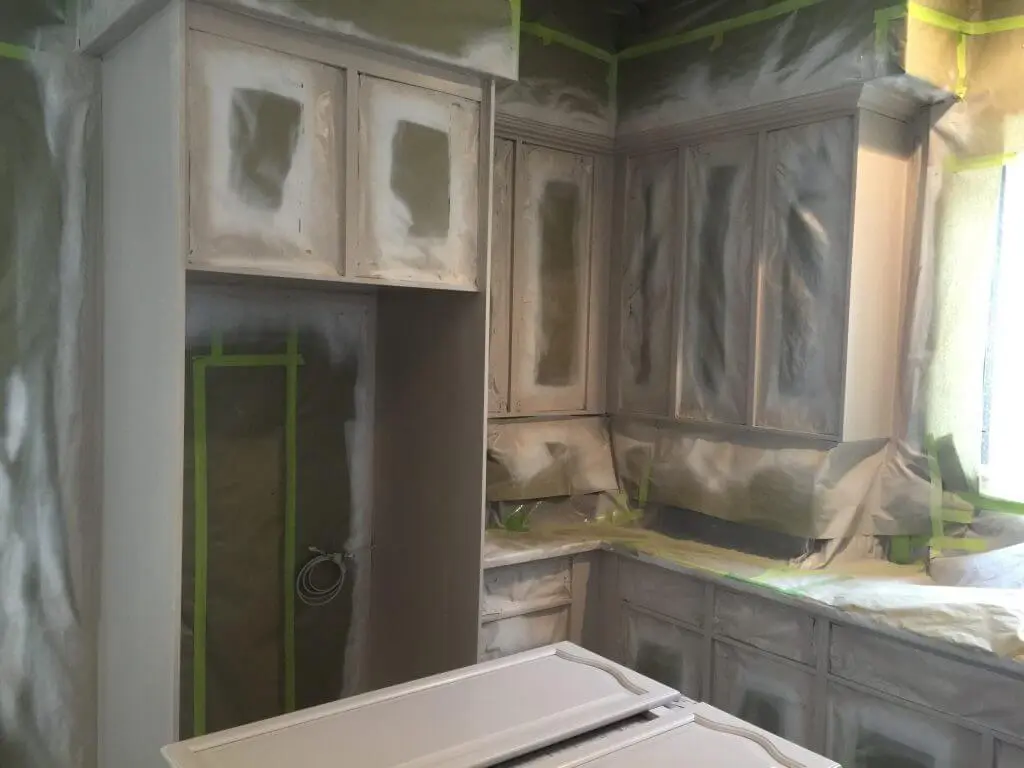
For a smoother appearance, our cabinet painting process can include taking the doors off-site for spray finishing, then completing the cabinet boxes and reinstalling the doors. That approach requires handling, transport, setup, protection, and careful finishing.
We also offer a brush-and-roll approach for homeowners who prefer a more budget-conscious option. It won’t have quite the same smooth surface as a fine sprayed finish. Thats an important distinction to make before comparing proposals, because the two methods aren’t identical in labor or appearance.
5. Color change and the finish you want
Covering dark stained cabinets with a light, even color can demand more priming and careful coating work than refreshing a similar existing color. Going from natural oak to a painted finish that hides most of the grain is another step up in complexity. Two-tone cabinets, specialty shading, and wood toning add their own considerations.
The coating itself matters, too. A cabinet door gets far more daily handling than the average wall. Our article on enamel paint for kitchen cabinets explains the tradeoffs among different finishes and why the right product should match the surface and the intended use.
6. Site protection, scheduling and related work
There’s more to a well-managed kitchen project than what ends up on a cabinet door. Countertops, floors, appliances, and adjacent rooms need protection. Doors have to come off and go back on in the proper places. An island may need special attention. If there’s a damaged cabinet rail or molding to repair, that should be discussed before work begins.
In older homes, also ask about lead-safe procedures if existing painted coatings will be disturbed. The EPA’s renovation guidance explains why pre-1978 housing requires special care, and when lead-safe certification rules apply.
Is It Cheaper to Paint, Reface or Replace Kitchen Cabinets?
Usually, painting the cabinets you already own is the least disruptive of the three choices. But first make sure they’re worth keeping.
| Option | What changes | Best fit |
|---|---|---|
| Paint or refinish | Retain the cabinet boxes and usually the doors; change the surface finish | Good construction, workable layout, tired color or coating |
| Reface | Keep the boxes, replace doors or drawer fronts and cover visible box surfaces | Sound boxes but doors or door styles need changing |
| Replace | Remove and install cabinetry, potentially changing the layout | Failed boxes, major water damage, poor function, or a new floor plan |
For perspective, the same national cabinet remodeling cost guide gives broad typical ranges of $5,000–$13,000 for refacing an average kitchen and $4,500–$15,000 for full cabinet replacement, with more elaborate custom replacements costing substantially more. Those figures cover different scopes; a painting quote and a remodeling quote aren’t interchangeable.
If the cabinet boxes are solid and you like the kitchen layout, retaining them can save money as well as the mess of a full tear-out. On the other hand, painting a badly swollen box or a delaminating surface doesn’t make it sound again. We’d rather talk about that upfront than cover up a problem.
What Should Be Included in a Professional Cabinet Painting Estimate?
Before signing anything, ask your painter to spell out the work. A useful proposal should make clear:
- Scope: Which doors, drawer fronts, cabinet boxes, islands, end panels and interiors are included?
- Preparation: What cleaning, sanding, repairs, grain filling and priming will be done?
- Finish: Will the surfaces be sprayed, brushed, rolled, or finished with a combination of methods? Which coating system is proposed?
- Logistics: Will doors be worked on off-site? How will floors, counters and adjoining rooms be protected?
- Details: Are hardware removal and reinstallation, minor carpentry, and final touch-ups included?
- Timing and terms: What’s the anticipated schedule, payment structure, and any applicable workmanship or coating warranty?
This is why we don’t recommend comparing estimates on the total alone. If one price includes detailed repairs and off-site spray finishing while another assumes minimal prep and rolled doors, you haven’t been quoted the same project. For more on what to watch for, see our guide to choosing a cabinet painter in Denver.
Turn Your Painting Plans into a Clear Project
Imhoff can evaluate your surfaces, preparation needs, finish options, and project goals before providing a detailed, personalized proposal.
What Would Three Different Cabinet Projects Involve?
No two kitchens are identical, and we don’t want to pass off made-up project totals as completed Imhoff jobs. These examples are illustrative scopes to show how the work changes:
A smaller kitchen with sound, simple cabinet fronts
If the boxes are sturdy, the old coating is stable, and the doors have uncomplicated profiles, the work may be relatively straightforward. Cleaning, proper preparation, painting and careful reassembly could be the main tasks. This is the type of project most likely to fall toward the lower end of a professional painter’s price range.
An established Denver kitchen with stained oak
Picture a well-built kitchen in Littleton or Greenwood Village with detailed oak doors. The owner wants a lighter color and much less visible grain. The existing stain, wood texture, and desired smoothness can all increase labor. You may be keeping the same cabinets, but the preparation requirements are quite different.
A large custom kitchen with an island and built-ins
Now add tall pantry doors, decorative molding, a substantial island, and matching built-ins. More individual pieces, more edges, more masking and perhaps custom finishing. Even if the surfaces are in good condition, the scale and detail of the work can put it at the upper end of published cost ranges or beyond them.
Specific prices for these scenarios should come from a current site visit and written scope—not a generic per-door calculation. Imhoff provides personalized project estimates so homeowners can decide where they want to invest.
What Homeowners Notice About Fine-Finish Painting
It’s easy to focus on the color. Often, what people notice after the job is the care taken around the things they’re keeping: doors, trim, counters and the everyday spaces of the house. Here’s feedback from clients whose reviews are included in our collection.
[htwseo_review id=”39488″]
[htwseo_review id=”39491″]
See more client reviews and learn about our approach to residential painting.
When Is Cabinet Painting Worth the Investment?
Cabinet painting usually makes the most sense when the bones of the kitchen are good. The doors fit, the boxes are square, the layout suits the way you live, and you simply want the room to look different. Keeping beautiful existing millwork instead of discarding it can be a very sensible decision.
If you have loose joints, failing veneer, chronic moisture damage, or a layout that frustrates you every day, those problems deserve attention first. You may need repairs, partial replacement or a different plan altogether. For homeowners weighing all the options, our article on ways to refinish kitchen cabinets is another place to start.
One last thought: the lowest cabinet painting bid isn’t always the least expensive outcome. A finish that needs to be stripped and redone can cost far more than getting the preparation and materials right the first time.
Frequently Asked Questions About Cabinet Painting Costs
How much does it cost to paint kitchen cabinets in Denver?
For preliminary budgeting, published national guides place an average kitchen around $2,000–$6,500, with larger or more complex kitchens costing more. Denver pricing depends on the specific doors, drawers, existing surfaces, finish method and repair work. These are reference figures, not Imhoff Painting’s project prices.
Is it less expensive to spray or roll kitchen cabinets?
Brush-and-roll application can be more budget-friendly than fine spray finishing, depending on the scope. Spray finishing usually requires additional handling, preparation and setup, but offers a smoother appearance. Imhoff offers both options and can explain the finish differences when preparing your estimate.
Does it cost more to paint oak cabinets white?
It can. Oak’s open grain may remain visible under paint unless extra filling and preparation are included. Changing a dark stain to an even, light finish can also require more priming and coating work. Ask whether grain filling is part of the proposal.
Is cabinet refinishing cheaper than replacing the cabinets?
Often, yes—especially when the existing cabinet boxes and doors are sound and the layout works. Full replacement adds cabinet materials, removal, installation and potentially other remodeling costs. If the cabinetry is damaged or poorly designed, replacement may still make more sense.
How long does professional cabinet painting take?
Many kitchen cabinet projects require several working days, but the schedule varies with cabinet count, preparation, drying and curing requirements, and whether doors are finished off-site. Ask for a project-specific timeline and instructions about when the finished surfaces can be used and cleaned normally.
Can cabinets be painted without removing the doors?
Some surfaces can be painted in place, but removing doors and drawer fronts typically makes it easier to prepare edges, handle each piece carefully and achieve a consistent finish. Imhoff’s spray-finishing option includes removing doors for off-site work.
Get a Cabinet Painting Estimate for Your Denver Home
We work with homeowners across Denver and surrounding communities, including Littleton, Cherry Hills Village, Greenwood Village and Golden. Whether you’re considering a complete kitchen cabinet color change or refinishing selected built-ins, we can look at what you have, talk through the finish you’re after, and put together a proposal that fits the actual work.
Ready to discuss your cabinets? Request an estimate from Imhoff Fine Residential Painting. Tell us a little about the cabinetry and what you’d like to change, and we’ll take it from there.